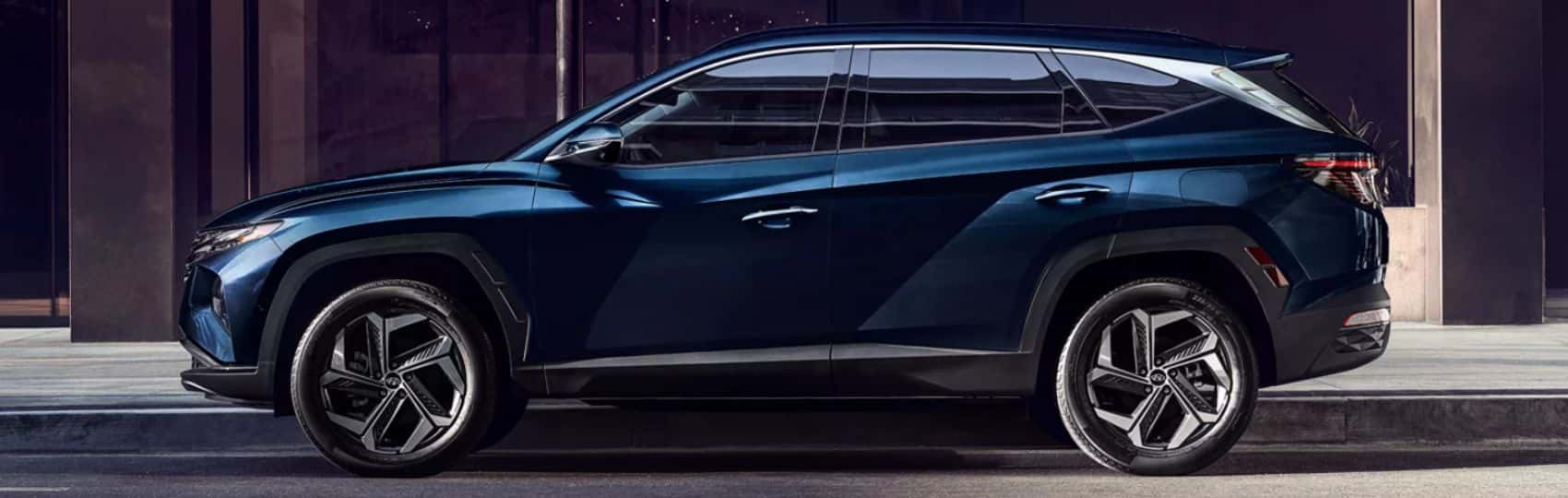
As we venture into a greener future, hybrid vehicles have become a symbol of sustainable driving for eco-conscious consumers. What was once a niche market is quickly evolving into a class, with a variety of options to suit every driving need.
When it comes to hybrids, though, you'll find more than just one type. Whether you're looking to reduce your carbon footprint or save money at the gas pump, understanding these options can guide you to a vehicle that's the perfect fit for you as a St. Louis, Saint Peters, St. Charles, or O’Fallon, MO, area driver. Let's delve into the world of hybrid cars, starting with traditional hybrid models.
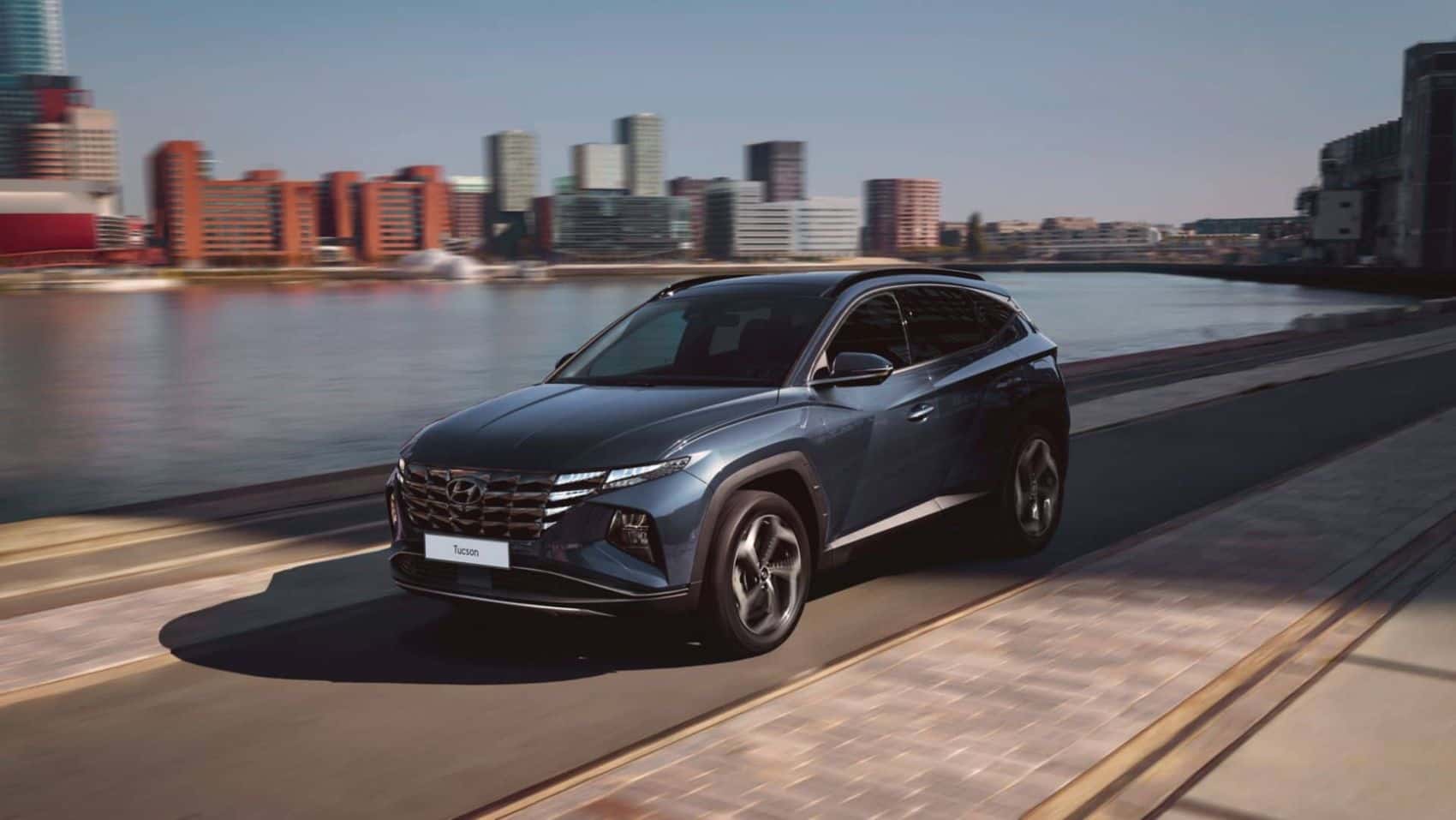
Traditional hybrid vehicles have been around the longest, capturing the imagination of drivers with their impressive fuel economy and lower emissions. These vehicles have both an internal combustion engine and an electric motor.
Unlike pure electric cars, traditional hybrids don't need to be plugged in to recharge. Instead, they use regenerative braking and the internal combustion engine to replenish the battery. Popular examples in the Hyundai lineup include the Hyundai IONIQ Hybrid and the Hyundai Sonata Hybrid.
Key features of traditional hybrids include:
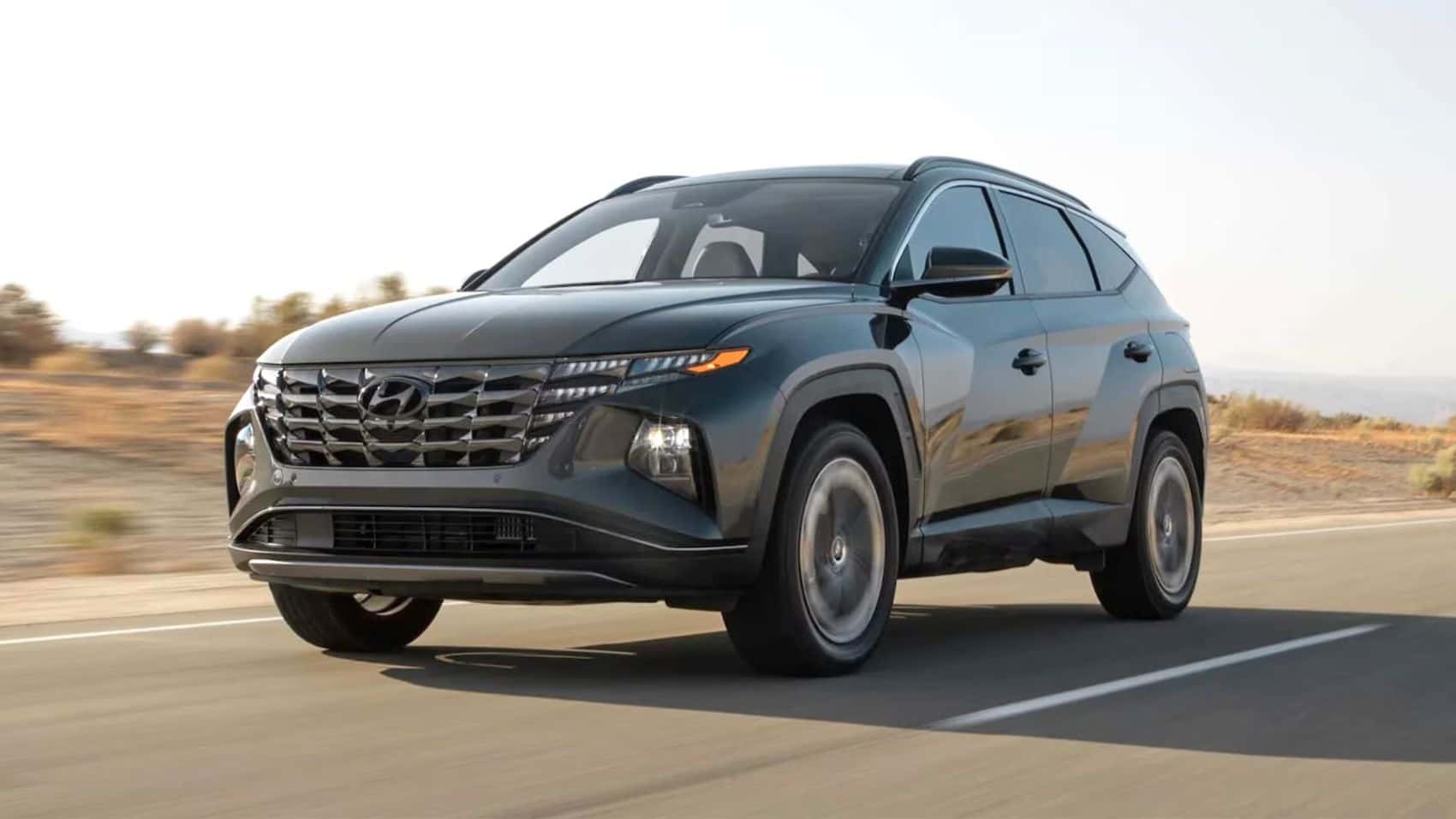
Plug-in hybrid electric vehicles (PHEVs) represent the next evolutionary step. These models have larger batteries that allow you to drive on electric power alone for a limited range.
What sets them apart is their flexibility. When the electric charge runs out, the internal combustion engine kicks in, ensuring you're never left stranded. As the name suggests, you'll need to plug these vehicles into an external power source to get the maximum electric range.
Key features of plug-in hybrids include:
Both traditional hybrid vehicles and plug-in hybrid vehicles combine electric power with gasoline fuel to function. How are the two different though? Check out our table below:
|
Traditional Hybrid |
vs. |
Plug-In Hybrid |
|
No |
Need to Be Plugged In |
Yes |
|
No |
Offer All-Electric Range |
Yes |
|
Yes |
Regenerative Braking |
Both are great options. It’s really about which driving experience you prefer!
Do you have additional questions about hybrids models? Check out some of our FAQs here!
Can I charge a traditional hybrid vehicle?
No, traditional hybrids recharge their batteries through the internal combustion engine and regenerative braking.
Do plug-in hybrids save more money?
In the long run, PHEVs can save more money, due to their higher fuel efficiency and various state and federal incentives.
What is regenerative braking?
It's a process that converts kinetic energy during braking into energy stored in the vehicle's battery.
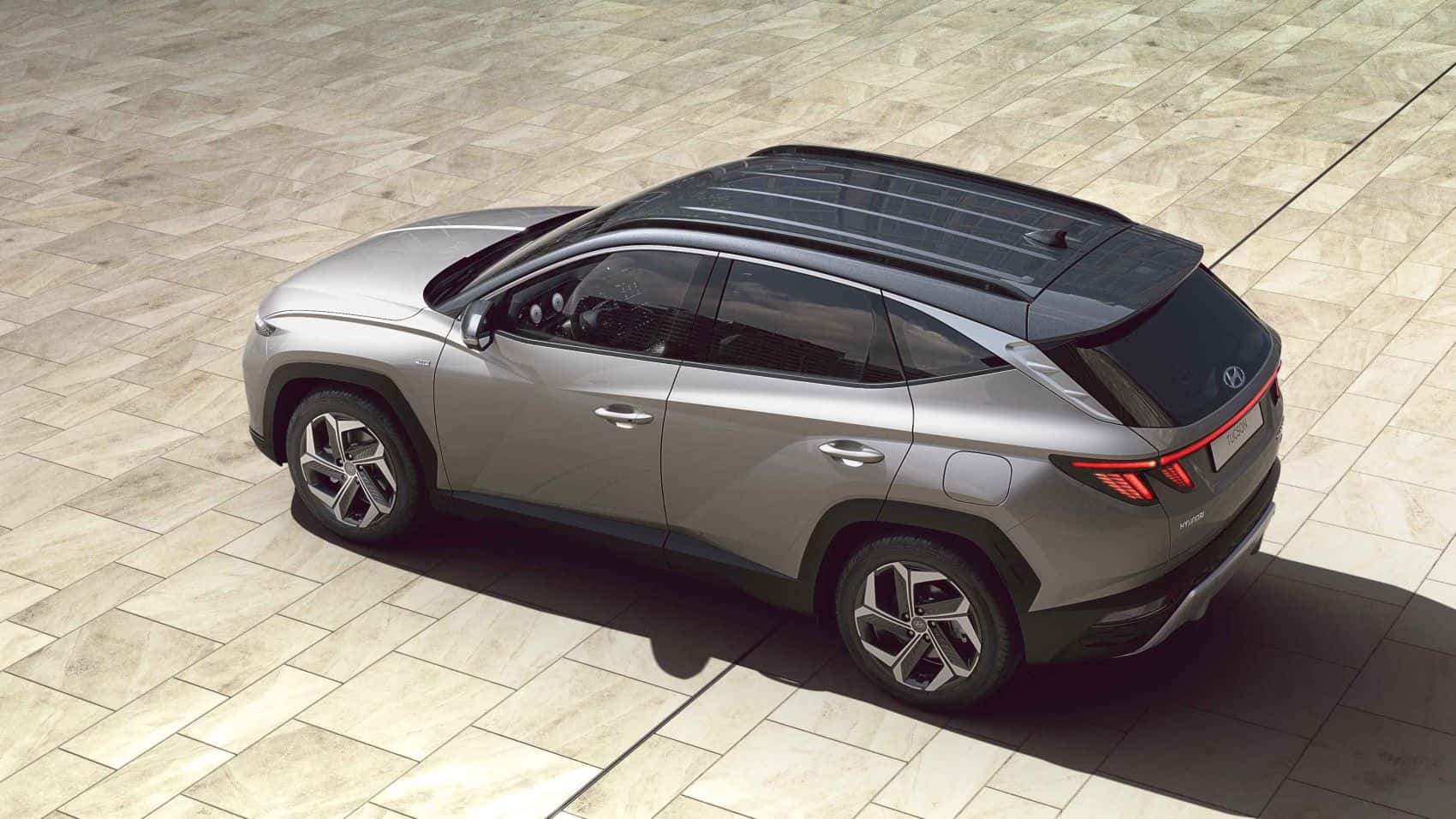
Hybrid cars have come a long way, offering something for everyone, from the budget-conscious commuter to the environmentally aware driver. Understanding the difference between traditional hybrids and plug-in hybrids can help you make an informed decision. Visit St. Charles Hyundai to explore our range of hybrid models and find the one that's right for you as a St. Louis, Saint Peters, St. Charles, or O’Fallon, Missouri, area driver!